Catching Things Early

50,000
Cancer cases yearly
Up to 19
Cancers screened
72 Hours
Results turnaround
17
Senior specialists

Lung Cancer
Lung cancer is the most common cause of cancer death in the UK. The majority of cases are diagnosed at a late stage, when treatment options are limited. Early detection through advanced screening significantly improves outcomes and survival rates.
Risk Factors
Smoking is responsible for approximately 70% of UK lung cancer cases. Other risk factors include exposure to radon gas, asbestos, air pollution, a family history of lung cancer, and previous chest radiation treatment.
Symptoms
Common symptoms include a persistent cough lasting more than 3 weeks, coughing up blood, unexplained breathlessness, persistent chest or shoulder pain, unexplained fatigue or weight loss, recurring chest infections, and hoarseness or voice changes.
Diagnosis
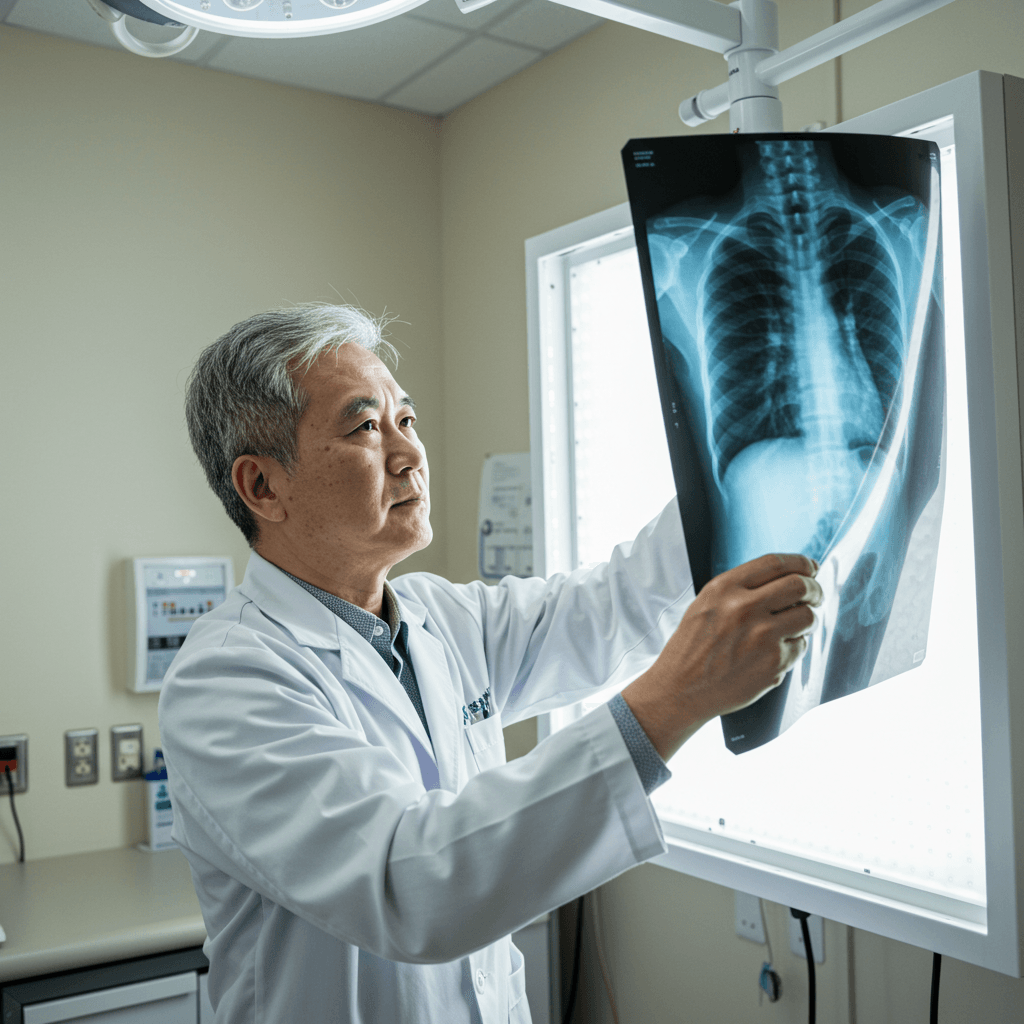
Diagnosis typically involves a low-dose CT scan for early detection, chest X-ray, PET scan to assess spread, bronchoscopy for direct airway examination, biopsy to confirm cancer type, and blood tests to support overall health assessment.
Prevention
The single highest-impact preventive action is stopping smoking. Additional steps include testing your home for radon gas, using appropriate protection in hazardous work environments, maintaining a healthy diet and exercise routine, and attending annual low-dose CT screening if you are in a high-risk group.

Coronary Heart Disease
Coronary heart disease is the leading cause of death in the UK. It develops when the arteries supplying blood to the heart become narrowed or blocked by a build-up of fatty deposits. Early detection allows for intervention before a heart attack occurs.
Warning Signs
Early-stage coronary heart disease often presents no symptoms. As the condition progresses, you may experience chest pain or tightness (angina), shortness of breath, fatigue, sweating, nausea, and lightheadedness. In some cases, a heart attack is the first sign anything is wrong.
Who Is at Risk
High blood pressure, elevated cholesterol, type 2 diabetes, smoking, obesity, and physical inactivity all significantly increase your risk. A family history of heart disease and age over 45 for men, over 55 for women are also established risk factors.
How we Screen
Our assessment uses a range of advanced diagnostic tools including ECG, stress testing, echocardiography, and CT coronary angiography — which uses 3D imaging to precisely visualise the arteries supplying blood to the heart and identify any narrowing or blockage.
What Happens Next
Following your assessment, our cardiologist will explain your results in full and provide a clear, personalised plan, whether that means lifestyle guidance, medication review, or onward referral for further investigation.
Treatment Options
Treatment depends on severity. Options range from lifestyle changes and medication to manage blood pressure and cholesterol, through to surgical procedures such as angioplasty or bypass surgery to restore blood flow. Early detection significantly expands what is possible.
What We Detect
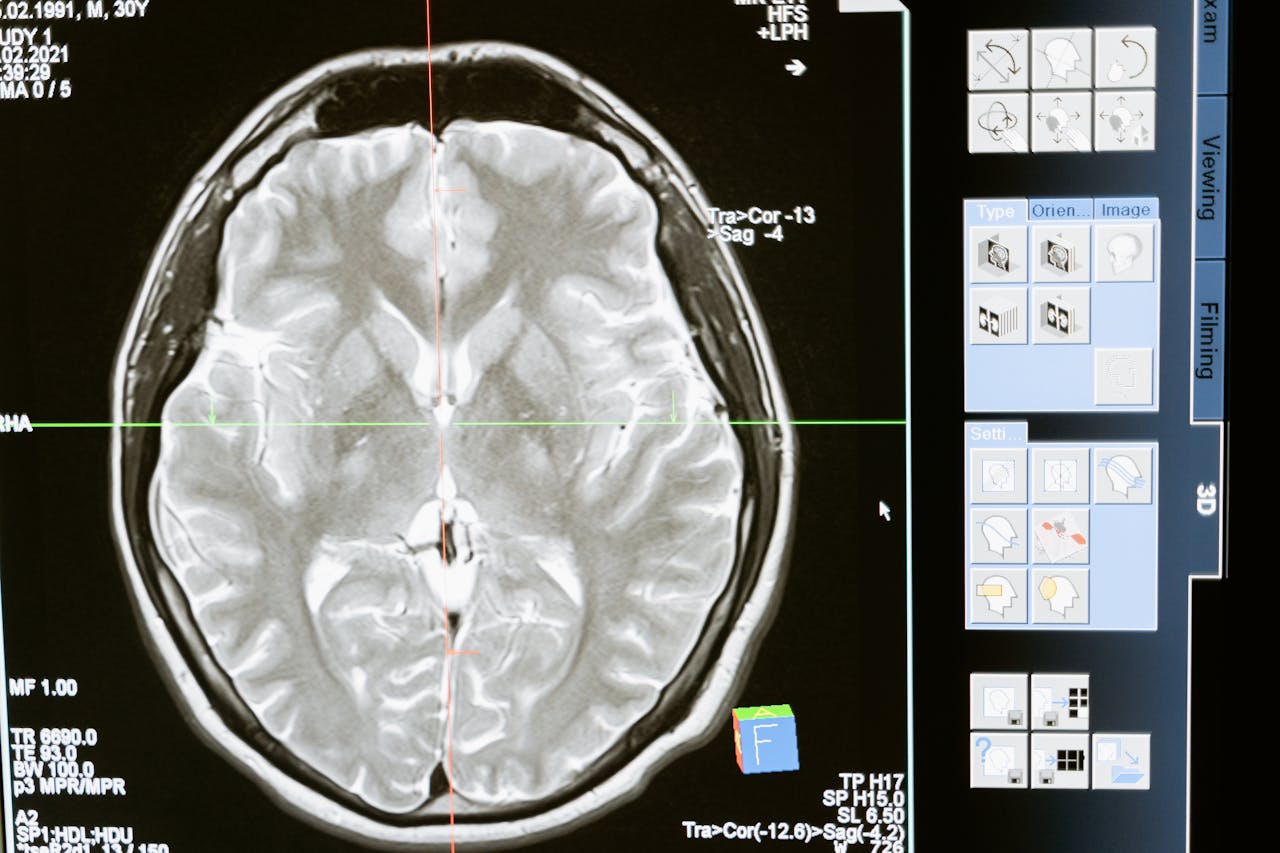
Brain
Whole body 3 Tesla MRI detecting silent neurological conditions including tumours, aneurysms and early stroke markers.
Breast
Breast ultrasound and MRI identifying early-stage abnormalities in dense tissue before they become detectable by other means.

Prostate
Multi-parametric MRI and PSA testing providing precise assessment of prostate health without the need for invasive procedures.
Liver and Pancreas
Abdominal MRI and ultrasound identifying fatty liver, gallstones, pancreatic pathology and early signs of malignancy.

Colorectal
Faecal testing and CT colonography screening for colorectal cancer with onward colonoscopy referral where required.

Cardiovascular
CT coronary angiography and carotid plaque assessment providing a comprehensive picture of your cardiovascular risk.