

A well woman health check gives you clinical certainty about your health at a stage when certainty still gives you options. Over 565,000 women currently sit on an NHS gynaecological waiting list. In April 2026, the BBC confirmed what hundreds of thousands of them already knew: gynaecological waiting lists had doubled between 2020 and 2026. Furthermore, consultants were dismissing women’s concerns for months and years. The Health Secretary acknowledged a culture of medical misogyny within the NHS. Consequently, by early 2026, women were bypassing NHS waiting lists entirely, going private out of necessity rather than preference.
“If you are looking for the equivalent assessment for men, read our Well Man Health Check guide.”The reality for most women: NHS gynaecological waiting lists now stretch to months or years. By the time a concern is properly investigated, a manageable condition can become a complex one. A comprehensive private well woman health check removes that delay entirely.
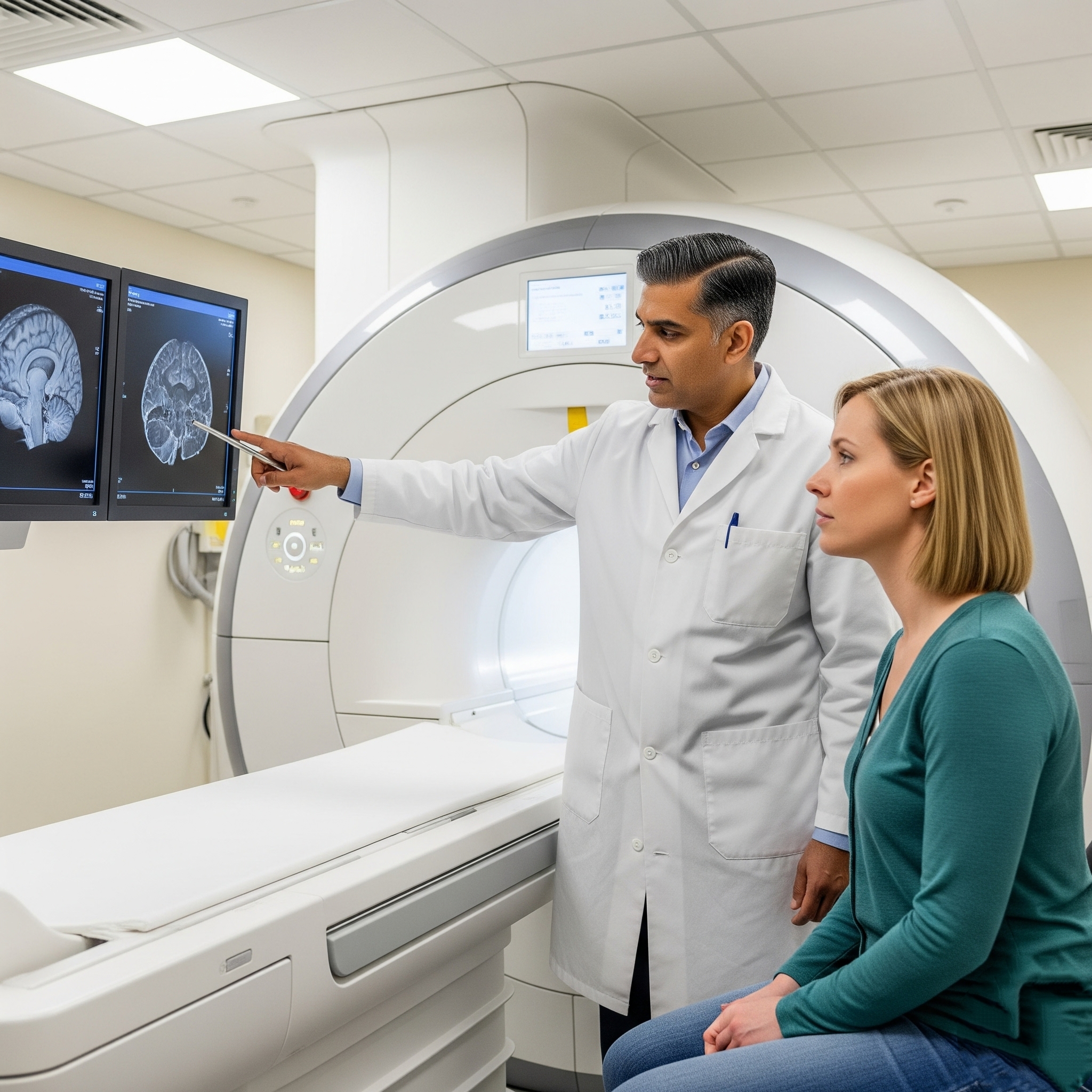
What a Well Woman Health Check Consists Of
Clinics use the term well woman health check loosely, and that is part of the problem. A basic screen at a high street private clinic might include a blood pressure reading and a brief GP conversation. Technically, any provider can describe that as a health check. However, it does not give you the diagnostic picture you actually need.
A genuinely thorough well woman assessment covers every major system in your body. Importantly, it investigates well beyond the areas you came in worried about. The most dangerous conditions hide silently in their early stages, including early ovarian cancer, cardiovascular disease and hormonal dysfunction. You may feel entirely fine. And yet something may be building.
The First Health Check Platinum Assessment covers the following investigations in full:
| ✓ Full Blood Panel | ✓ Hormonal Panel (E2, FSH, LH, Thyroid) |
| ✓ CT Chest | ✓ CT Abdomen |
| ✓ CT Pelvis | ✓ Ovarian Ultrasound |
| ✓ Digital Mammogram | ✓ MRI Brain |
| ✓ MRI Cerebral Artery Angiogram | ✓ MRI Carotid Artery Angiogram |
| ✓ CA 19-9 Tumour Marker | ✓ CEA Tumour Marker |
| ✓ 160-Slice PET CT | ✓ Thyroid Ultrasound |
| ✓ Full Body Mole Screen | |
Together, these investigations cover the brain, major arteries, heart, lungs, liver, pancreas, kidneys, ovaries, uterus, breasts, thyroid, bones and skin. No system goes uninvestigated.
Feeling Well Is Not the Same as Being Well
The most dangerous conditions affecting women in their forties and fifties are frequently the quietest. Ovarian cancer develops with no obvious early symptoms in most cases. Cardiovascular disease, the leading cause of death in women globally, is consistently underestimated because society culturally associates it with men. Thyroid dysfunction is significantly more common in women and is routinely misattributed to stress, perimenopause or general fatigue. These conditions do not announce themselves. Consequently, the gap between feeling fine and having clinical evidence is precisely where serious harm develops.
Accordingly, a comprehensive well woman assessment does not simply answer the questions you arrived with. It investigates the areas you had no reason to raise, because those areas had not yet given you cause to look.
What the Assessment Can Find
Ovarian ultrasound can identify cysts and structural changes at a stage that produces no symptoms. CA 19-9 and CEA tumour markers provide a clinically significant picture of gynaecological cancer risk. Digital mammography detects the earliest signs of breast malignancy before they are palpable. MRI Brain can identify a cerebral aneurysm with no clinical symptoms whatsoever. Specifically, an HbA1c reading can reveal blood sugar trending toward diabetes, at the exact point when dietary and lifestyle changes are still clinically effective. Crucially, none of these findings require you to feel unwell. That is the point.
Family History Changes the Clinical Picture
If breast or ovarian cancer has appeared in your family, your risk profile is materially different from a woman with a clear history. If cardiovascular disease has affected female relatives, the case for comprehensive screening is stronger still. Moreover, a thorough assessment does not simply tell you where you stand today. It interprets that picture against your family background and identifies the areas where early action changes the outcome most decisively. In short, it turns a family history from a source of anxiety into a clinical plan.
Perimenopause, Hormonal Health and the Well Woman Assessment
For women between 40 and 60, perimenopause is not a future event. For many, it has already begun. The hormonal transition that precedes menopause typically starts between the ages of 40 and 51 and carries clinical implications that extend well beyond reproductive health. Changes in oestradiol, FSH and LH connect directly to cardiovascular risk, bone density, metabolic function and cognitive health.
A well woman health check that does not include hormonal assessment is, for women in this age group, an incomplete picture. The First Health Check programme assesses each of these markers as part of the comprehensive blood panel, with every result reviewed and explained by a specialist before you return home.
Hormonal Markers Assessed in the Programme
- ✓ Oestradiol (E2): declining levels are associated with increased cardiovascular risk and accelerated bone loss
- ✓ Follicle-stimulating hormone (FSH): elevated FSH is a clinical indicator of perimenopause onset and requires specialist context to interpret meaningfully
- ✓ Luteinising hormone (LH): assessed alongside FSH to build a complete picture of ovarian and pituitary function
- ✓ Thyroid function (TSH, free T3, free T4): thyroid conditions are significantly more common in women and are frequently misattributed to menopause symptoms
Furthermore, the Platinum Assessment includes a CT bone density scan, which establishes a clinical baseline and identifies risk at a stage when preventive action is meaningful. Bone density loss accelerates significantly in the years surrounding menopause as oestrogen levels decline.
Why Women Are Taking Their Health Into Their Own Hands
The decision to seek private healthcare is no longer a luxury consideration for most of the women making it. Instead, it is a direct response to a system that openly acknowledges it is failing. Private screening removes the waiting list entirely. It places you in a clinical environment where specialists respect your time, properly investigate your concerns and explain your results in full before you leave.
First Health Check delivers this programme through our NABH-accredited partner BAPS YM Hospital, working in direct clinical partnership with GIC Prime Imaging Centre. Together they provide access to the most advanced diagnostic imaging technology available.
The Technology Behind Your Assessment
Understanding the technology gives you a clearer picture of why the diagnostic depth of this programme substantially exceeds a standard private screen.
3 Tesla Ultra Wide Bore MRI
The United Imaging 3 Tesla scanner features the world’s first 75cm ultra wide bore. It produces superior image resolution compared to standard UK private facilities. Notably, AI-powered technology detects abnormalities as small as one to two millimetres. For anyone who experiences anxiety in enclosed spaces, the wider bore and quieter operation make a significant practical difference.
160-Slice Digital PET CT
This high-resolution digital PET CT scanner delivers exceptional full-body clarity in under five minutes. It offers superior sensitivity for detecting cancer, cardiovascular disease and other complex conditions that standard imaging misses.
Digital Mammography
High-resolution digital mammography detects the earliest signs of breast malignancy with precision. Crucially, a specialist radiologist reviews every scan as part of the full assessment, not a remote reading service. This is included as standard for all female clients across every programme tier.

Clinical Expertise: Dr Ekta Ankola
Dr Ekta Ankola, Consultant Gynaecologist
Dr Ankola holds an MS in Obstetrics and Gynaecology and specialises in advanced surgical and non-surgical gynaecological treatments. Her clinical work covers laparoscopic hysterectomy, myomectomy, IVF, diagnostic hysteroscopy and ovarian cyst surgery.
As part of the First Health Check specialist team, Dr Ankola reviews all gynaecological findings within the preventive assessment programme. Therefore, the clinician interpreting your results works in that exact area every single day.
Seventeen Specialists. Every One of Them. Every Time.
Most private providers assign one, perhaps two or three consultants to a well woman assessment. First Health Check assigns all seventeen. A gynaecologist, a medical oncologist, a cardiologist, an endocrinologist, a nephrologist, a gastroenterologist, a cardiometabolic physician, a radiologist, a dermatologist, an orthopaedic surgeon, two ophthalmologists, an ENT surgeon, a general surgeon, a urologist and a consulting physician. Specifically, each one reviews the results from their clinical domain before you return home.
Ultimately, the difference between a partial clinical picture and a complete one is not a matter of degree. It is the difference between knowing and not knowing.
The Five Female Cancers
The five cancers specific to women are cervical, ovarian, uterine, vaginal and vulval cancer. Additionally, breast cancer disproportionately affects women and is the most commonly diagnosed cancer in the UK for females. Because of this, every serious well woman assessment includes breast screening as standard.
Stage at diagnosis is the single most important factor in outcomes across all five. For instance, cervical cancer detected at stage one carries a survival rate exceeding 90 percent. However, when detected at stage four, that figure falls below 15 percent. These are not marginal statistical differences. They represent the difference between a treatable condition and a life-altering one.
The First Health Check programme includes CA 19-9 and CEA tumour markers, ovarian ultrasound and digital mammography. Together these cover the most clinically significant indicators across all relevant conditions.
What Are the Signs of a Gynaecological Problem
The most dangerous gynaecological conditions are frequently the quietest. Ovarian cancer develops with no obvious early symptoms in most cases. Similarly, endometrial cancer may present only as irregular bleeding, which patients often misattribute to stress or hormonal change.
Symptoms that should prompt proper investigation include persistent pelvic pain, unusually heavy periods, unexplained bloating, pain during intercourse and any postmenopausal bleeding. All of these demand investigation by a specialist, not brief reassurance under time pressure. Nevertheless, the most important point is this: waiting for symptoms before investigating is the highest-risk approach available.
Well Woman Health Check Costs: An Honest Comparison
Private well woman health checks vary considerably in both scope and cost. At the basic end, a clinic visit might include a limited blood panel and a brief consultation at £300 to £500. However, the UK market cannot reliably offer the combination of 17 dedicated specialists, AI-assisted 3 Tesla MRI, digital mammography, ovarian ultrasound and a structured three-day programme at any comparable price.
At the very top of the UK private market, premium providers charge £3,000 to £5,000 or more for selected advanced imaging with two or three consultants. Consequently, a woman paying £5,000 at a UK premium clinic receives a fundamentally different level of investigation from the same budget at First Health Check.
How the Platinum Programme Compares
The First Health Check Platinum Assessment costs £5,000 and is fully all-inclusive. When you weigh the clinical scope, the imaging technology, the seventeen-specialist review and the full hospitality package, no comparable programme exists at this price point.
| Provider Type | Approx. Cost | What Is Typically Included |
|---|---|---|
| UK basic well woman check | £300 to £500 | Basic blood panel, blood pressure, brief GP consultation |
| UK mid-range private clinic | £700 to £1,500 | Extended bloods, pelvic ultrasound, 1 to 2 consultants |
| UK premium provider | £2,000 to £5,000+ | Selected advanced imaging, senior consultants. No full hormonal panel, ovarian ultrasound or MRI Brain as standard. |
| First Health Check Platinum | £5,000 | Three-day programme. 17 specialists. 3 Tesla MRI, 160-slice PET CT, Digital Mammogram, Ovarian Ultrasound, Hormonal Panel, CA 19-9 and CEA Tumour Markers. Cutting-edge imaging unavailable in standard UK well woman packages. All-inclusive. |
The Platinum Assessment delivers clinical coverage that no UK provider matches at any comparable price point.
Frequently Asked Questions
About the well woman health check
What does a well woman health check include? +
A comprehensive well woman health check covers hormonal assessment, gynaecological screening, cancer markers, cardiovascular investigation, breast screening, brain and neurological imaging, metabolic testing, bone density and skin checks. The First Health Check Platinum programme includes investigations reviewed by 17 specialists across a three-day programme in Ahmedabad, India.
Does the assessment cover perimenopause and hormonal health? +
Yes. Hormonal assessment is included in the programme. Key markers including oestradiol, FSH, LH and full thyroid function are assessed as part of the comprehensive blood panel. For women in their forties and fifties, these markers connect directly to cardiovascular risk, bone density and metabolic health. Every result is reviewed by a specialist and explained during the three-day programme.
Does the assessment include cervical screening? +
Cervical smear testing is not currently included in the First Health Check well woman programme. Women in the UK are invited for NHS cervical screening every three to five years depending on age, and we recommend continuing to attend. The programme focuses on comprehensive whole-body assessment using advanced imaging and a full blood panel, covering the areas that standard cervical screening does not address.
What are the signs of a gynaecological problem? +
Symptoms that warrant proper investigation include persistent pelvic pain, unusually heavy periods, unexplained bloating, pain during intercourse and any postmenopausal bleeding. However, the most dangerous gynaecological conditions, including ovarian cancer, frequently produce no symptoms at all in their early stages. Consequently, the absence of symptoms is not a reliable indicator of health. Comprehensive screening is the only reliable way to establish that.
About HPV, cancer and specific conditions
What happens if a smear test shows HPV? +
A positive result for high-risk HPV strains will typically lead to a colposcopy examination to check for cell changes. The immune system naturally clears most HPV infections without causing harm. However, persistent infection with high-risk strains is the primary cause of cervical cancer. As a result, your specialist will advise on the appropriate monitoring interval based on your specific results.
What disease is most common in women? +
Cardiovascular disease kills more women globally than any other condition. This fact is consistently underappreciated because society culturally associates heart disease with men. Additionally, breast cancer is the most commonly diagnosed cancer in women in the UK. A comprehensive well woman assessment addresses both, alongside the full range of gynaecological cancer risk.
About costs, frequency and the programme
How much does a private well woman health check cost? +
UK private well woman checks range from approximately £300 for a basic blood panel and GP consultation to £5,000 and above for comprehensive imaging-led assessments at premium providers. The First Health Check Gold programme begins at £3,000 and is fully inclusive: three nights in a five-star hotel, private transportation throughout, and the complete three-day clinical programme. There are no hidden costs.
How often should a well woman health check be done? +
For women in their thirties with no significant symptoms, a comprehensive assessment every two to three years provides a strong preventive baseline. However, women over 40 or those with a personal or family history of cancer should discuss more frequent screening with a specialist. Moreover, the most underrated benefit of regular screening is the baseline data it creates. A marginal change that appears invisible in isolation becomes clinically significant when compared against a known reference point.
Is it worth travelling to India for a women’s health assessment? +
For the clinical scope it delivers, yes. The combination of 17 specialists, 3 Tesla MRI, digital mammography, PET CT, ovarian ultrasound and a full hormonal panel within a structured three-day programme does not exist in the UK private market at any equivalent price. Many clients also combine the assessment with time in Goa, Kerala, Rajasthan or Delhi, making the trip considerably more than a medical appointment. Ahmedabad, as the confirmed host city of the 2030 Commonwealth Games, is a destination worth experiencing in its own right.
How does First Health Check differ from a UK private well woman clinic? +
Every First Health Check client receives input from all 17 specialists on the medical team, across a three-day programme using cutting-edge imaging technology. UK private clinics typically assign one to three consultants within a single-day format. Specifically, the investigations included in the Platinum programme, including MRI Brain, digital mammography, full hormonal panel and CA 19-9 tumour markers, are not standard UK well woman offerings at any price point.






2 Responses
Very helpful blog post, I found it interesting to learn so much.
Thank you for taking the time to share your comment on our blog article, Well Women Health Check-up. We’re happy that you found it interesting.