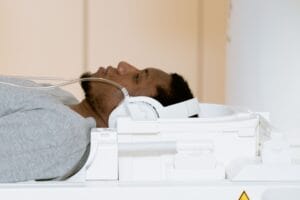
In October 2026, Davina McCall revealed she has cardiovascular disease, after years of being told her high cholesterol was offset by high "good" cholesterol. Her story shows how a single reassuring number can hide the bigger picture, and why looking at the heart and arteries themselves matters.
Davina McCall has spent years urging women to take their health seriously. Her latest news is a reminder that even people who are well informed, and who do get checked, can be reassured by a single number. This guide explains what was reported, why cholesterol alone can mislead, who carries a higher risk and what a more thorough assessment looks at.
At a glance
- Davina McCall said she had high cholesterol for a long time, but was told her good cholesterol offset the bad.
- Research suggests high "good" cholesterol does not cancel out high "bad" cholesterol.
- Coronary heart disease kills more than twice as many UK women as breast cancer, according to the British Heart Foundation.
- People of South Asian heritage face a markedly higher risk of coronary heart disease.
- A blood test estimates risk. Imaging of the heart and arteries shows what is actually there.
What Davina McCall revealed about her cardiovascular disease
Speaking on a special episode of her Begin Again podcast, made with the British Heart Foundation for World Menopause Day, Davina McCall said she has cardiovascular disease. She explained that she had lived with high cholesterol for "quite a long time", and that it had been considered acceptable because her high good cholesterol was thought to offset the bad.
Her message to listeners was simple: do not brush things off. It follows two earlier health scares she has spoken about publicly. In 2024 a private health scan found a benign brain cyst, which surgeons then removed. In 2025 she found a breast lump herself and went on to have treatment for breast cancer.
Why "good" cholesterol is not the whole story
A standard cholesterol test reports several numbers. LDL is often called "bad" cholesterol because it can build up in artery walls. HDL is called "good" cholesterol because it helps carry cholesterol away. For years, a high HDL was widely seen as protective.
However, the evidence has since become less reassuring. Genetic studies and drug trials have found that raising HDL does not lower the risk of heart disease, and that a high HDL does not cancel out a high LDL. HDL may simply be a marker of other factors, rather than a shield in its own right.
There is also a wider point. A cholesterol result is a risk factor. It tells you something about the odds, not what is happening inside your arteries. Two people with the same numbers can have very different hearts. You can read more about what blood tests can detect.
Heart disease in women is underestimated
Many people still think of heart disease as a man's illness. However, the figures say otherwise. According to the British Heart Foundation, coronary heart disease kills more than twice as many women as breast cancer in the UK every year, and more than 800,000 women in the UK are living with it.
Because the risk is underestimated, women and their doctors can put early signs down to stress, age or the menopause. That is exactly the habit Davina McCall is warning against in talking about her cardiovascular disease. Our guide to heart health checks explains what a dedicated heart check involves.
Why South Asian families should pay closer attention
For anyone of Indian, Pakistani, Bangladeshi or Sri Lankan heritage, the risk is higher still. A long-running BHF-supported study of more than 17,600 South Asian people in London found that South Asian men had almost twice the risk of coronary heart disease of White European men. Even after accounting for diabetes, cholesterol and lifestyle, the risk for South Asian people overall remained around 1.7 times higher.
Researchers are still working out why. In the meantime, a family history of heart disease or diabetes, combined with South Asian heritage, is a strong reason not to rely on numbers alone.
What a routine check measures, and what it cannot
In England, the NHS offers a free NHS Health Check every five years to adults aged 40 to 74 without certain existing conditions. It measures blood pressure, cholesterol and weight, and uses them to estimate your risk of heart disease and stroke. It is a valuable service, and everyone who is eligible should take it up.
However, it does not look at the heart or arteries directly. A risk score is an estimate based on averages. It cannot show whether plaque is already building up in the arteries that supply your heart.
What a head-to-toe assessment adds
A thorough preventive assessment combines the numbers with a direct look at the body. At First Health Check, every assessment includes blood tests with a full lipid profile and HbA1c, a long-term measure of blood sugar, together with an ECG, a CT heart scan with a calcium score and a CT coronary angiogram, which images the arteries that supply the heart muscle. Higher tiers add a CT scan of the aorta and MRI angiograms of the carotid and brain arteries.
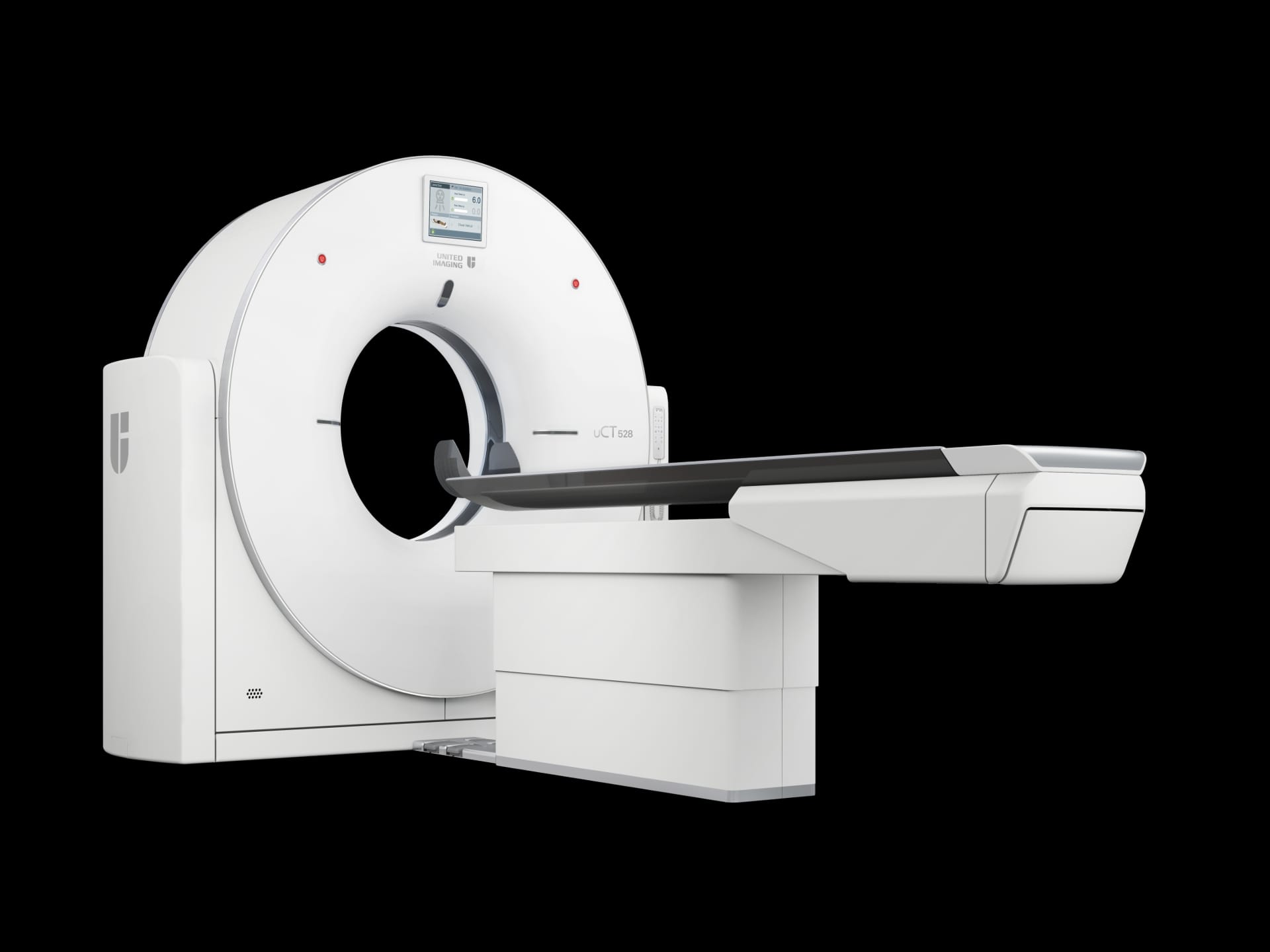
Equally important is who reviews the results. Over three days, you are seen in person by 17 senior specialists, including a cardiologist, who look at your heart alongside the rest of your body, and explain what they find before you leave.
A health assessment is a screening, not a diagnosis. It cannot guarantee that every condition will be found, and some findings may need further tests with your own doctor. What it can do is replace a single reassuring number with a much fuller picture, while there is still time to act.
A thorough assessment, within reach
Assessments at this depth have long been out of reach for most people. In London, comparable assessments, with a similar range of heart, body and brain scans, have been priced at around £9,000 to £14,000.
First Health Check assessments start from £3,000, with our most comprehensive Platinum assessment at £5,000. Each includes three days at NABH accredited BAPS YM Hospital in Ahmedabad, India, with scans at GIC Prime Imaging Centre, a five-star hotel, a private chauffeur and a member of our team with you from arrival to departure. Your travel to Ahmedabad is arranged separately. See how we arrange medical tourism in India from start to finish.