
Is a Private Full Body Scan Worth It? The Honest Answer
A private full body scan is worth paying for when it delivers a complete clinical picture rather than a set of images with nobody to explain them. That distinction matters more than most providers will tell you, and it is where most people who pay for a private scan end up quietly disappointed.
This article answers the question honestly. It covers what a private full body scan can and cannot tell you, what the clinical literature says about limitations most providers skip over, and what to look for before you spend anything.

What a private full body scan actually does
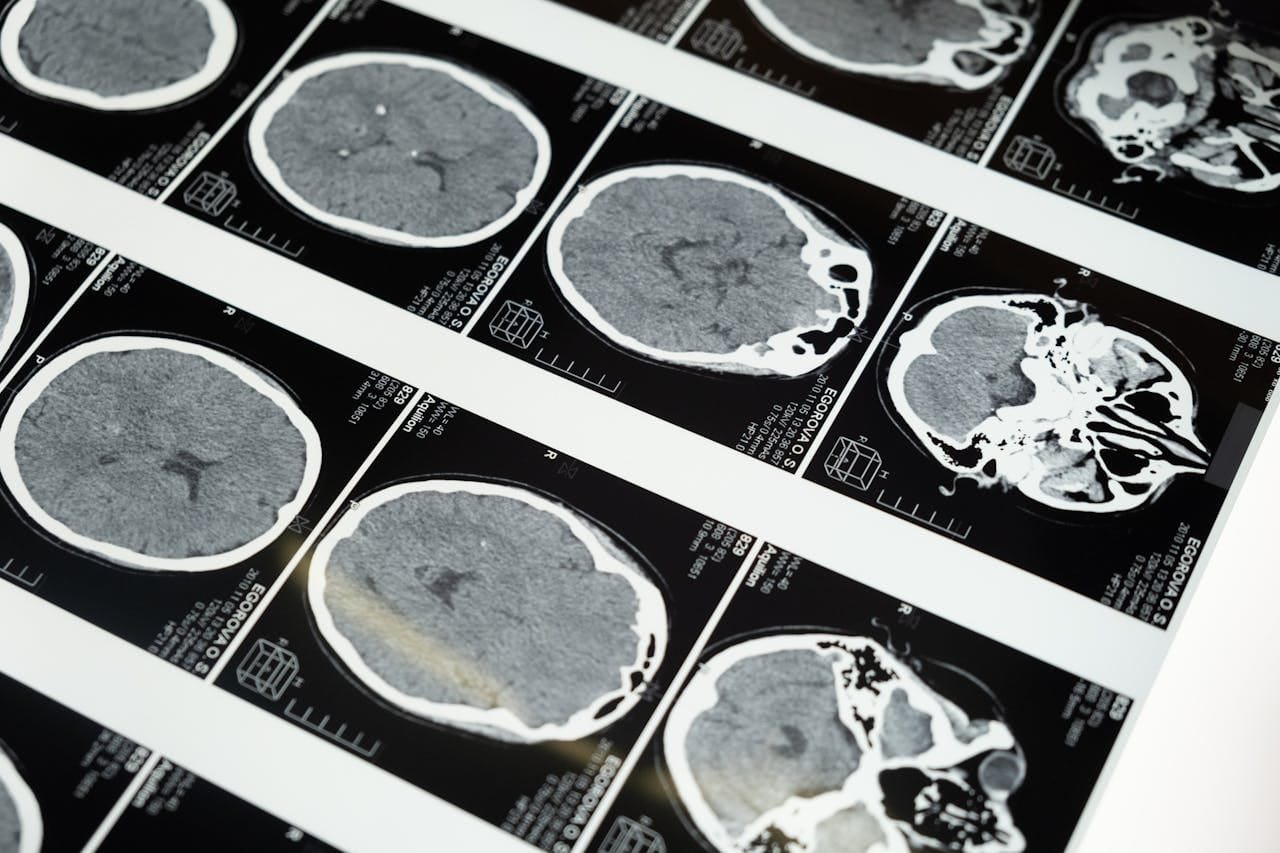
A full body scan uses imaging technology, most commonly MRI, CT, or a combination of both, to produce detailed pictures of your internal organs, soft tissues, and skeletal structure. Unlike a blood test, which measures chemical markers in the bloodstream, imaging lets a radiologist see inside the body directly. A tumour, an aneurysm, a calcified artery, or early spinal degeneration can all be visible on a scan before they produce any symptoms at all.
That is the core clinical argument for private full body scanning. The NHS does not offer whole-body imaging as a routine screening service. Scans are reserved for people with symptoms or confirmed clinical need. Consequently, a healthy adult with no presenting concerns has no route to imaging through standard NHS care, regardless of their family history or personal risk profile. Private scanning fills that gap.
Why this matters
Pancreatic cancer, ovarian cancer, and early-stage cardiovascular disease are among the conditions that produce few or no symptoms until they are advanced. Catching them early, when treatment is most effective, requires looking before symptoms arrive. Imaging is currently the best available tool for doing that.
What a private full body scan cannot do
This is the part most providers leave out, and it is important enough to sit at the front of any honest guide on this topic.
Research in peer-reviewed imaging literature shows that around 95% of people who undergo a full body MRI will have at least one abnormal finding. More than 90% of those findings are harmless cysts, nodules, or tissue variations that will never affect health. However, they look unusual on a scan, and without a specialist to contextualise them, they can trigger significant anxiety and unnecessary follow-up procedures. This is the overdiagnosis problem, and it is documented across the imaging literature.
A scan is also not a guarantee. Some early-stage cancers are not yet visible on MRI. A clear scan does not mean all-clear. It means nothing of clinical concern was visible on that day, with that technology, interpreted by that radiologist. The distinction matters because false reassurance can be as harmful as false alarm.
Finally, imaging alone does not measure your cardiovascular risk, your hormonal balance, your kidney function, your inflammatory markers, or your metabolic health. These require blood analysis. A scan without a blood panel is, clinically speaking, half a picture.
The private full body scan market in the UK: what you are actually buying
The UK private scanning market divides broadly into three tiers, and understanding what each tier delivers, and what it leaves out, is essential before committing to any of them.
Entry level: blood panels and wellness checks
Basic blood panels starting from around £169 provide a snapshot of common markers, cholesterol, glucose, liver enzymes, thyroid function. These are genuinely useful for establishing a baseline and catching obvious metabolic concerns. However, they cannot see inside the body. They will not detect a tumour, an aneurysm, or early cardiovascular disease in the arterial walls. For someone primarily worried about structural health, a blood panel alone is not sufficient.
Mid tier: the standalone scan
Standalone MRI packages ranging from around £700 to £2,500 are where most private scanning activity sits. You book online, attend a clinic, lie in a scanner for 45 to 90 minutes, and receive a radiologist’s written report within a few days. The imaging itself can be excellent. The problem is what comes after it.
A radiologist’s report describes what the scan shows. It does not tell you what it means for you specifically, given your age, family history, blood results, cardiovascular risk, and lifestyle. That requires a specialist consultation, and in most standalone scan packages, that consultation is either absent entirely or available as a paid add-on. The add-on model is widespread. You pay for the scan, discover the result requires explanation, and pay again to have someone explain it.
This is where many people who have paid for private scanning end up more anxious than when they started. The scan found something. The report describes it in clinical language. And there is nobody to tell them whether it matters.
Top tier UK clinics
At the top of the UK private market, comprehensive health assessments can reach £14,000. These programmes compress advanced imaging, extensive blood profiling, and several specialist consultations into a single intense day at a London clinic. The clinical depth is genuine. The limitation is structural. One day is not enough time to conduct every test under optimal physiological conditions. And the financial barrier puts this tier out of reach for the majority of people who need it.
The difference between a scan and an assessment
This is the distinction that most private health providers, and most articles on this topic, fail to draw clearly. A scan is a machine output. It produces images. An assessment is a clinical judgement. It produces answers.
The gap between the two is what a specialist fills. A cardiologist reviewing an MRI result in the context of your lipid profile, your blood pressure history, and your family cardiac history can tell you something a radiologist’s report cannot. A urologist reviewing a prostate marker alongside MRI imaging can tell you something a PSA test alone cannot. The images are data. The specialist is the interpreter. Without both, you have an incomplete picture.
This is why the time available for an assessment matters. Physiology is not cooperative with compressed schedules. Contrast dye used in a CT scan takes 24 to 48 hours to clear the kidneys. Running multiple contrast procedures in a single day compounds the load on the body. A patient who has spent 90 minutes in an MRI scanner, fasted since the previous evening, is not in an optimal physiological state for a detailed specialist consultation in the same afternoon. Spreading an assessment across multiple days allows each test to be conducted when the body is genuinely at rest, which is when the readings are most clinically accurate.
A scan
Produces images of internal structures
Interpreted by a radiologist in writing
Describes what is visible
Cannot explain what it means for you
A full assessment
Combines imaging with blood analysis and specialist review
Findings cross-referenced across specialisms
Results explained in plain English
You leave knowing what the findings mean for you
What makes a private full body scan worth paying for
Based on both the clinical literature and the structure of the UK private market, a private full body scan is worth the investment when three conditions are met.
First, the imaging is conducted on equipment calibrated for screening, not just for diagnostic work. Field strength matters. A 3 Tesla MRI produces significantly sharper images than a 1.5 Tesla scanner, with finer detail in soft tissue. A 160-slice PET CT detects cellular activity that standard CT cannot. The technology used determines the clinical information available. Ask about equipment before you book.
Second, the scan is accompanied by blood profiling and specialist review, not just a written report. Imaging in isolation is insufficient. A comprehensive blood panel covering metabolic function, inflammatory markers, hormonal balance, and tumour markers gives the specialist a second layer of clinical data to cross-reference against the imaging findings. Without it, you have images but not context.
Third, you receive a face-to-face explanation from a senior clinician who has reviewed all findings together. This is the part that turns a set of results into something you can act on. A written report is a starting point. A specialist who has reviewed your imaging, your bloods, and your clinical history together, and can answer your questions directly, is the endpoint. That conversation is where the value of a private health assessment actually lives.
What the scanner field strength actually means for your results
Most people booking a private full body scan have no idea what field strength their chosen provider uses. Most providers do not make it easy to find out. It is worth asking directly, because the clinical difference is meaningful.
A 1.5 Tesla MRI is the standard workhorse of clinical imaging. It produces reliable, diagnostically useful images for most presenting complaints. However, for whole-body preventive screening, where the goal is to detect small abnormalities before they produce symptoms, the resolution of a 1.5 Tesla scanner may not be sufficient to identify very early-stage changes in soft tissue. A 3 Tesla scanner, with twice the magnetic field strength, produces images with finer resolution and requires less time inside the machine. For small lesions, subtle vascular changes, or early neurological findings, the difference can be clinically significant.
Ultra wide-bore design, where the bore diameter reaches 70 to 75 centimetres rather than the standard 60 centimetres, is a separate question. It does not affect image quality, but it matters enormously for patient experience. Claustrophobia is a well-documented barrier to MRI completion. A wider bore, combined with noise-reduction technology and shorter scan times, reduces both the physical and psychological difficulty of the procedure. For a body-wide scan that may take 60 to 90 minutes, this is not a trivial consideration.
You can read more about how different scanners affect what gets detected in our guide to CT scan versus MRI.
The financial middle ground that the UK market ignores
There is a gap in the UK private health market that providers rarely acknowledge because it is not in their commercial interest to do so. The gap sits between £2,500 and £8,000.
Below £2,500, you are in standalone scan territory. The imaging may be good but the clinical context is limited. Above £8,000, you reach the comprehensive London clinic tier where the depth of assessment is genuine but the price point excludes most people who would benefit.
Someone who wants a genuinely thorough assessment, with advanced imaging, blood profiling, and specialist review across multiple body systems, but cannot justify spending upwards of £8,000, currently has nowhere to go in the UK market. The add-on model is designed for this gap. Providers offer a headline price that looks reasonable, then build the actual clinical value in as paid extras. A specialist consultation. Contrast enhancement. A blood panel. A follow-up call. By the time you have assembled the components of a complete assessment, you have often spent more than a comprehensive package would have cost, with no coordinated review of the whole picture.
Understanding this structure before you book protects you from paying for components that do not add up to a complete clinical answer. Our overview of what a full body MOT includes explains what a genuinely comprehensive assessment should cover.
What a complete assessment actually requires
A scan, however advanced, sees one dimension of your health. Blood analysis sees another. Neither is sufficient without specialist interpretation that crosses both sets of findings against your clinical history. A cardiologist reviewing an arterial scan without your lipid profile is working with incomplete information. An oncologist reviewing a tumour marker without the corresponding imaging has the same problem.
The clinical accuracy of a complete assessment also depends on physiological conditions at the time of testing. Resting heart rate, blood pressure, inflammatory markers, and hormonal levels all fluctuate with stress, exercise, food, and sleep. None of these readings are fixed facts. Tests conducted in a compressed single-day programme produce readings that may not reflect a genuine baseline. Fasting, anxiety, and movement between appointments all shift physiological readings away from their resting state. Separating tests across multiple days, allowing the body to settle between procedures, produces more clinically reliable data.
A complete assessment is not a collection of tests. It is an integrated clinical picture, assembled over sufficient time, reviewed by the right specialists, and explained to the patient in terms they can understand and act on. That is the standard a private full body scan should be measured against before you decide whether it is worth paying for.
Most standalone scans do not meet it. Most top-tier London assessments do, but at a price that excludes most people. The question is not whether a private full body scan is worth it in principle. It is whether the specific package you are considering delivers a complete clinical picture or just part of one.
What to ask before you book any private scan
What field strength is the MRI scanner? (Ask for 3T if early detection is the goal.)
Is a comprehensive blood panel included, or is it an add-on?
Will a specialist review all findings together, or will I receive a written report only?
How many specialists will review my results?
Will I leave with a clear explanation of what my results mean for me?
A programme that can answer all five of those questions clearly, before you book, is one that has been designed around the patient’s clinical outcome rather than around a booking process. That is the version worth paying for.
Three days rather than one. Multiple specialists rather than one or two. Results explained before you leave rather than posted to you afterwards. These structural differences are not optional extras. They are what turns a scan into a complete answer.
Private full body scan: frequently asked questions
Is a private full body scan worth it for someone with no symptoms? +
For people with a family history of cancer, cardiovascular disease, or other heritable conditions, a comprehensive scan can identify risk before symptoms appear, when treatment options are broadest. For people without specific risk factors, the value is more modest. A standalone scan without specialist review and blood analysis is unlikely to provide the clinical clarity most people are seeking.
What is the difference between a full body MRI and a full body CT scan? +
MRI uses magnetic fields and radio waves with no ionising radiation, making it the preferred tool for soft tissue, the brain, spine, organs, and joints. CT uses X-rays and is faster, better for bone, lungs, and vascular structures, but involves a small radiation dose. A comprehensive assessment typically uses both, because each modality covers the other’s limitations.
Why do doctors sometimes advise against private full body scans? +
The primary concern is overdiagnosis. Research shows that around 95 percent of people undergoing full body MRI will have at least one incidental finding, and over 90 percent of those findings are clinically harmless. Without a specialist to contextualise results, incidental findings can cause significant anxiety and trigger unnecessary follow-up procedures. The risk is not the scan itself but the absence of clinical context around the result.
How much does a private full body scan cost in the UK? +
Standalone MRI packages typically range from £700 to £2,500 depending on the scanner, the provider, and what is included. Basic blood panels start from around £169. Comprehensive multi-specialist assessments at the top of the UK private market reach £14,000. The important consideration is not the headline price but what clinical outcome that price actually delivers.
Practical questions about booking a private scan
Can a full body MRI detect pancreatic cancer? +
MRI can identify structural abnormalities in the pancreas, including masses and early-stage changes in the pancreatic duct. However, very small lesions may not be visible at any field strength, and a clear scan does not guarantee the absence of early cellular change. For people with a family history of pancreatic cancer, a comprehensive scan combined with specialist oncological review gives the most complete picture currently available outside of symptomatic investigation.
Do I need a GP referral for a private full body scan? +
No. Most private scanning providers allow direct self-referral. You do not need your GP to initiate a private health assessment. However, sharing your results with your GP after the assessment is advisable, particularly if any findings require follow-up, as your GP can coordinate further investigation or specialist referral through NHS pathways where appropriate.
Will private health insurance cover a full body scan? +
Most UK private health insurance policies are designed to cover the diagnosis and treatment of acute medical conditions, not preventive screening. Whole-body scans for people without symptoms or a clinical indication are typically excluded. Always confirm with your insurer before booking. For those paying out of pocket, the key consideration is the total cost including any add-ons, rather than the headline scan price alone.
What should I expect after a private full body scan? +
With a standalone scan, you typically receive a written radiologist’s report within three to five working days. With a comprehensive assessment, you should expect a face-to-face consultation where a senior clinician explains all findings in plain language before you leave. The latter is significantly more clinically useful. A report describes what the scan shows. A consultation tells you what it means for your health and what, if anything, you should do next.
A scan answers one question. A complete assessment answers the ones that matter. See what a thorough health assessment is built to include.





4 Responses
This is very informative
Thank you for taking the time to share your thoughts on our blog post, “Is It Worth Paying for a Private Full Body Scan.” We’re pleased to read that you found the article informative. Our aim is to provide clear, helpful guidance for anyone considering a full body scan, and we hope it offers a useful starting point as you explore your options.
I’m glad I came across this blog article, I’ve always wondered if it’s actually worth it vs NHS. I can now see clearly why paying to be checked out would answer my health issues, I’ve had basic tests but sadly now reflecting back it didn’t give me the answers I wanted, I since have lived with the very same issues. I am now clear on how I should approach health checks moving forward. I do like the sound of what you guys are providing, just not too sure if I’d want to travel. Then again, india has always been a country I’ve always wanted to visit. Time to have a good think!
Thank you for taking the time to share your thoughts on our blog article “Is It Worth Paying For A Private Full Body Scan.” We’re really pleased to hear that it helped bring some clarity to the differences between basic testing and more comprehensive health assessments.
Many people tell us they’ve had routine checks in the past but still feel they never quite received the full answers they were hoping for. Our goal with the article was to help explain the different approaches available so people can make more informed decisions about their health moving forward.
It’s completely understandable to take time when considering something like this, especially when travel is involved. For some people, the idea of combining a thorough health assessment with the opportunity to visit somewhere they’ve always wanted to see can be appealing, but it’s important that any decision feels right for you.