
A full body MOT is a private, preventive health check that looks at how your body is working, from your blood and heart to, in more thorough versions, the structure of your organs. Its purpose is simple: to find early signs of problems while they are still easy to act on.
The term is not medical, so two checks with the same name can be worlds apart. Below, we explain what a full body MOT health check includes, the five main tests, what the blood tests measure, how the levels differ, whether a full body scan is worth paying for and what it all costs in the UK.
What are the 5 main tests in a full body check‑up?
There is no official list, but most full body check-ups are built around the same five tests. What changes from one provider to the next is how far each one goes.
Blood tests
A panel covering organ function, cholesterol, blood sugar, thyroid and key vitamins. Basic panels measure around 19 markers, broader ones 50 or more.
Blood pressure
One of the clearest early signs of heart and stroke risk.
ECG
A recording of your heart’s rhythm and electrical activity. Fuller checks add an exercise ECG or an echocardiogram.
Body measurements
Weight, BMI, waist size and a physical examination by a doctor or nurse.
Urine test
A quick check for kidney problems, sugar and infection.
Higher-level checks then add scans, such as ultrasound, CT or MRI, to look at the structure of your organs, which blood tests cannot do. Not all MRI scanners are equal: our article on 3 Tesla MRI explains why the scanner’s strength matters.
What the blood tests measure
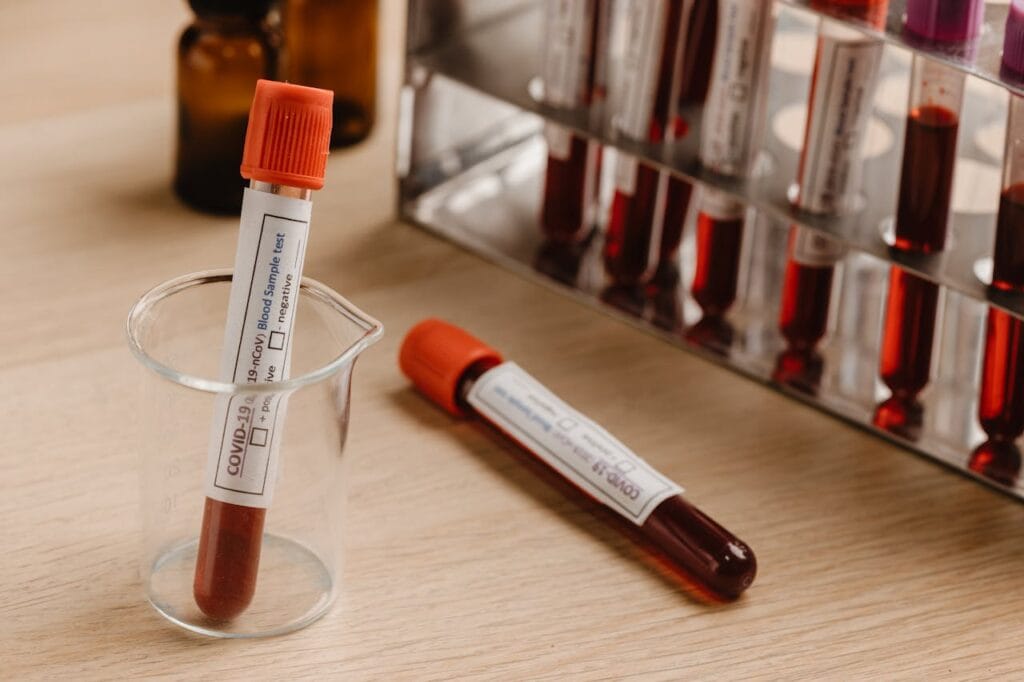
Blood tests are the core of almost every full body MOT. In short, they show how well your organs are working. The table sets out what each group of tests can reveal.
| Group | Example tests | What it can show |
|---|---|---|
| Full blood count | Haemoglobin, white cells, platelets | Anaemia, infection and some blood disorders |
| Liver | ALT, GGT, albumin, bilirubin | Strain from alcohol, fatty liver or medication |
| Kidneys | Creatinine, eGFR, urea | How well your kidneys filter waste |
| Cholesterol | Total, HDL and LDL cholesterol, triglycerides | Your risk of heart disease and stroke |
| Blood sugar | HbA1c | Diabetes and prediabetes |
| Thyroid | TSH, free T4, free T3 | An underactive or overactive thyroid |
| Iron and vitamins | Ferritin, vitamin D, B12, folate | Deficiencies that cause tiredness and low mood |
| Inflammation | CRP | Inflammation somewhere in the body |
| Hormones | Testosterone, oestradiol (some panels) | Hormone changes, including the menopause |
Some checks also include tumour markers such as PSA or CA 125. These can be useful, but they are not reliable on their own. We explain why in our article on whether a blood test can detect cancer.
Basic, doctor-led and imaging-led checks
Every full body MOT falls somewhere on this ladder. Each step adds depth, and therefore cost.
- Level 1
Blood panel
A blood sample, often taken at home or at a clinic, with a written report. As a result, it is quick and affordable, but no one examines you.
- Level 2
Doctor-led check
Adds a consultation, examination, blood pressure and an ECG, with a doctor explaining your results. Usually completed in a few hours.
- Level 3
Imaging-led assessment
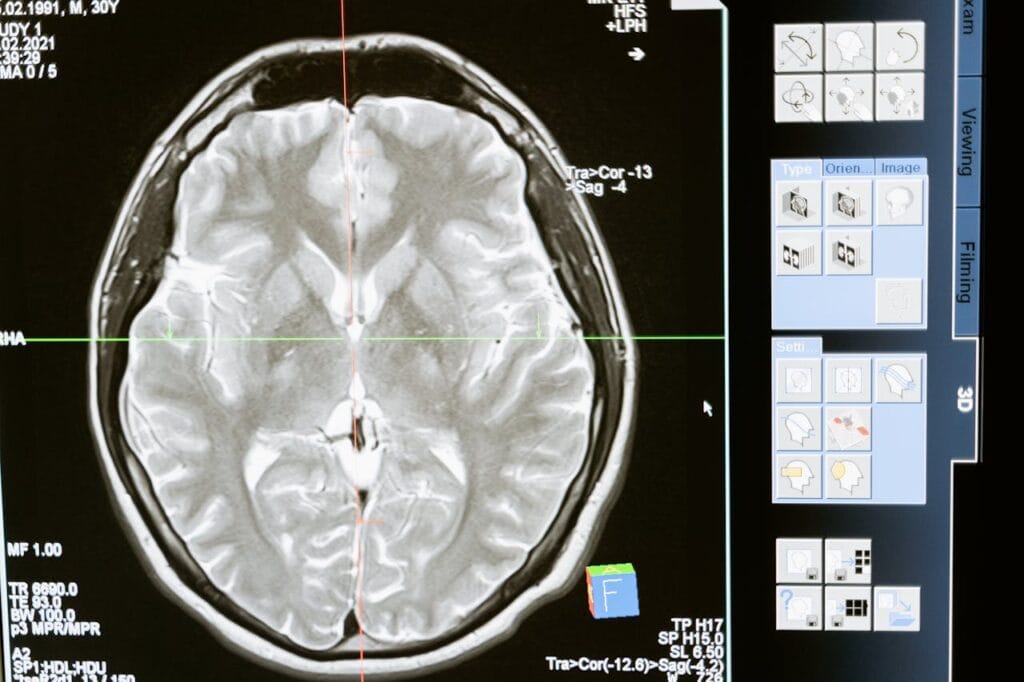
Adds scans such as ultrasound, CT or full body MRI, so problems that blood tests cannot see, such as growths or narrowed arteries, can be found.
- Level 4
Multi-specialist assessment
Combines all of the above with reviews by several specialists, such as a cardiologist, radiologist and gastroenterologist, often over more than one day.
How much does a full body MOT cost in the UK?
Prices rise with each level on the ladder. Based on published UK price lists in October 2026, these are the typical ranges.
However, price alone tells you little. Before booking, compare which scans are included, how many doctors review your results and whether follow-up is covered. For a fuller comparison, see private health check costs in the UK.
Is it worth paying for a full body scan?
A full body scan can show what blood tests cannot, such as growths, narrowed arteries or changes in your organs, often before symptoms appear. It is most valuable when the scans are chosen for your risks and a specialist explains every finding.
Scans also have limits. They can pick up harmless findings that lead to further tests and worry, and a clear result does not rule everything out. CT uses a small dose of radiation, while MRI does not.
In short, targeted scans reviewed by a radiologist are worth more than the biggest scan package on offer.
Is a full body MOT worth it?
Most worthwhile if
- You have a family history of heart disease or cancer
- You have risk factors such as high blood pressure, smoking or extra weight
- You are over 40 and want a detailed baseline to compare against
- You want answers in one place rather than arranging separate tests
Less useful if
- You are young, well and have no risk factors
- You have symptoms now, in which case see your GP promptly
- The check includes many tests but no one explains the results
- You would be anxious about harmless findings, which scans can turn up
In short, a check is worth it when it matches your risks and a qualified doctor takes the time to explain the results. Our well man and well woman health check articles set out which checks matter at 40, 50 and 60.

What happens on the day
- Before you go. You complete a health questionnaire, and you may be asked to fast overnight. Water is normally fine.
- Tests and measurements. A blood sample is taken, followed by your measurements, blood pressure and ECG, then any scans.
- Your results. In better checks, a doctor talks you through every result and what, if anything, to do next.
- Afterwards. You receive a written report to keep and to share with your GP.
Questions people ask
What is a full body MOT health check?
A private, preventive health check that looks at how your body is working, from blood tests and heart checks to, in fuller versions, scans of your organs. It is designed to find early signs of problems before symptoms appear.
How long does a full body MOT take?
A blood test takes only minutes. A doctor-led check usually takes a few hours, while the most thorough multi-specialist assessments run over several days.
Does a full body MOT include an MRI?
Only higher-level checks include an MRI scan. Most full body MOTs are based on blood tests, so check exactly which scans are included before you book.
How much does a full body MOT cost in the UK?
Typically £89 to £249 for a blood panel, £267 to £1,199 for a doctor-led check, and from around £2,950 for checks with a full body MRI. Top-tier imaging-led assessments cost around £8,900 to £14,000.
Do I need a GP referral?
No. You can book a private full body MOT yourself, and you can share your report with your GP afterwards.
What is the difference between a full body MOT and a full body scan?
A full body MOT usually centres on blood tests and heart checks. A full body scan is an MRI or CT scan of the body. The most complete assessments combine both.
What does a full body MOT for women include?
The same core tests, often with added checks such as hormones, iron levels and breast imaging, depending on age and provider. Our well woman health check article covers what matters at each stage.
Can a full body MOT detect cancer?
Blood tests alone cannot reliably detect cancer. Imaging-led checks can find some cancers early, such as growths in the bowel, lungs or prostate, but no check can rule out every cancer.
Do I need to fast before a full body MOT?
Some providers ask you to fast overnight, while others do not. Follow the instructions you are given, and in most cases you can still drink water.
How often should you have a full body MOT?
There is no set rule. Many people repeat their blood tests every one to two years to track changes, while scans are usually repeated less often unless a doctor advises otherwise.
A more thorough option
Prices start from just £3,000, all-inclusive. Each assessment combines blood tests, heart checks, CT and MRI or mammography, and individual reviews by 17 specialists, over three unhurried days.
Compare our assessmentsSources: UK National Screening Committee, screening principles. Private Healthcare Information Network, full body MOT. Prices from published UK price lists, October 2026.