A full body cancer scan in the UK usually means a whole-body MRI, sometimes combined with CT or ultrasound, and it typically costs from around £765 to over £1,800. No single scan can find every cancer, though, and scanning people without symptoms has real downsides as well as benefits. Below, we explain what each scan can and cannot see, who is most likely to benefit and how to choose.
Have symptoms? A scan is not the right first step. See your GP promptly about any unexplained lump, bleeding, weight loss or persistent change in your body.
What is a full body cancer scan?
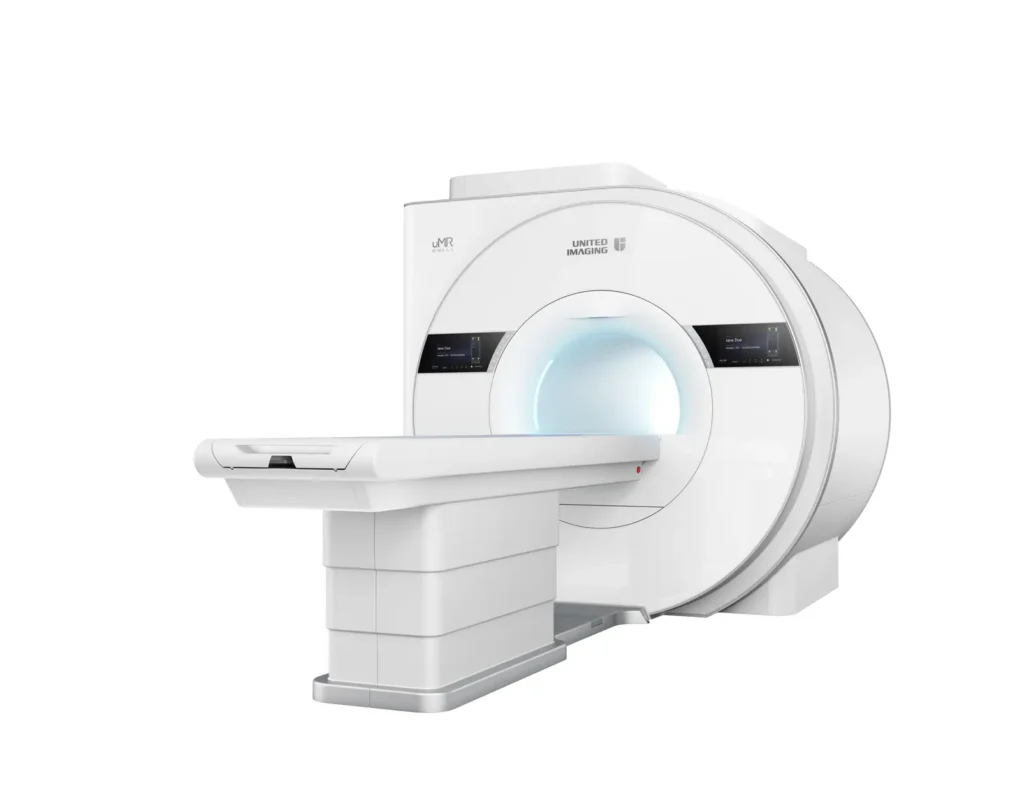
Private clinics use the term for a set of scans that look at most of the body in one visit. The core is usually a whole-body MRI, which uses magnets and radio waves rather than radiation. More comprehensive packages add a low-dose CT of the chest, ultrasound of organs such as the thyroid and ovaries, and blood tests for tumour markers. Newer, simpler tests are also emerging, such as multi-cancer blood tests and the capsule sponge test for the oesophagus.
The phrase "full body" can be misleading, however. Each scan sees some organs well and others poorly, so the combination matters far more than the label.
A scan is not the same as a broader health check. To compare the two, see what a full body MOT health check includes.
What a full body cancer scan can find, and what it can miss
| Test | Sees well | Limits |
|---|---|---|
| Whole-body MRI | Brain, liver, kidneys, pancreas, pelvis and prostate | Less clear for the lungs, and small or early changes can be missed |
| Low-dose chest CT | Small nodules in the lungs | Uses radiation, and most nodules turn out to be harmless |
| Ultrasound | Thyroid, liver, kidneys, ovaries and testes | Depends heavily on the skill of the person scanning |
| Mammogram | Early changes in breast tissue | Uses a small dose of radiation |
| Tumour marker blood tests | Supporting evidence alongside scans | Can be raised for harmless reasons, and normal results do not rule cancer out |
| PET-CT | How active known cancer is | Mainly used after diagnosis, not for routine screening |
For how the two main scanners compare, read our article on CT scan vs MRI and our explainer on 3 Tesla MRI.
The benefits and the risks
Possible benefits
- Some cancers can be found before symptoms appear, when treatment is often simpler
- Other conditions, such as kidney cysts or an enlarged aorta, may be picked up
- A clear result can offer peace of mind, particularly with a strong family history
The risks
- Incidental findings, which are common and often harmless, can lead to more tests and worry
- Overdiagnosis, where a slow cancer that would never have caused harm is found and treated
- Radiation from CT, which is small but adds up over repeated scans
- A false sense of security, as no scan rules cancer out completely
Cancer Research UK explains that screening can find cancers that would never have caused harm in a person's lifetime. That is why any scan of a healthy person should come with clear advice on what the results mean and what happens next.
Who may benefit most from a scan?
The balance of benefit and risk depends on the person. A scan is most likely to be worthwhile for those at higher than average risk.
- A strong family history of cancer, particularly at a young age
- A known inherited gene change, such as BRCA, ideally with specialist advice
- Current or former smokers, especially for the lungs
- Anyone who wants a detailed baseline and understands the limits
If you have a known inherited risk, speak to your GP first, because tailored screening is available for some genetic conditions.
Start with free cancer screening
Before paying for a scan, make sure you are taking up every free screening programme you are eligible for in England.
- Breast screeningA mammogram every three years for women aged 50 to 71.
- Bowel screeningA home test kit every two years for adults aged 50 to 74.
- Cervical screeningEvery five years for women aged 25 to 64.
- Lung cancer screeningOffered to people aged 55 to 74 who smoke or used to smoke, as it is rolled out across England.
How much does a full body cancer scan cost in the UK?
A private whole-body MRI typically costs from around £765 to £1,850, depending on how many areas are included. Packages that add CT, ultrasound, blood tests and specialist consultations cost considerably more, and at private clinics in London the most comprehensive imaging assessments run into five figures. For the full range, see private health check costs in the UK.
Common questions
Can a full body scan detect all cancers?
No. Each scan sees some organs well and others poorly, and very small or early cancers can be missed. Blood cancers, for example, are not found by imaging alone.
Is a full body MRI or CT better for cancer?
They complement each other. MRI is better for soft tissue such as the brain, liver and pelvis, while low-dose CT is better for the lungs. Thorough assessments often use both.
Is a full body scan worth it?
It can be for people at higher risk who understand the limits. For others, the chance of incidental findings and further tests should be weighed against the reassurance it offers.
How long does a full body MRI take?
Often an hour or more, depending on how many areas of the body are included. Ask the clinic for a time estimate when you book.
Do I need a referral for a private scan?
Most private clinics accept self-referral for screening scans. Even so, share your results with your GP so that any finding can be followed up properly.
More than a single scan
CT, ultrasound, MRI or mammography and tumour markers, read together. From just £3,000, all-inclusive.
Our three-day assessments at the NABH-accredited BAPS YM Hospital in India combine low-dose CT, organ ultrasound, a 3T prostate MRI for men or a digital mammogram for women, and breast, ovarian or prostate tumour markers, with every result explained face to face by senior specialists. Your five-star hotel and private chauffeur are included, so you only book your flight.
Sources: UK National Screening Committee, screening programmes. Cancer Research UK on overdiagnosis. Prices from published UK price lists, October 2026. This article is general information, not medical advice.